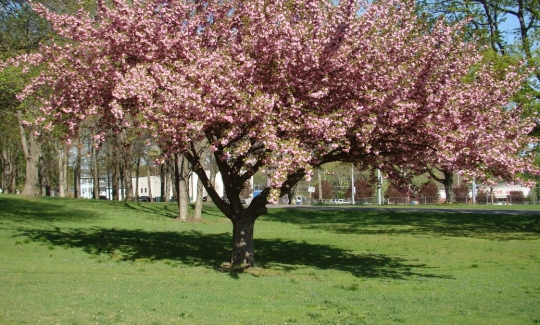
A lush, green lawn is the dream of many homeowners. It not only makes your yard look beautiful but also boosts your home’s curb appeal. Achieving that thick, vibrant lawn, though, takes a bit of work. From regular mowing to watering and fertilizing, a few key practices can make all the difference. Let’s go through everything you need to know to get that healthy, green lawn you’ve always wanted.
1. Mow the Right Way
Mowing might seem straightforward, but the way you mow your lawn can actually make or break its health. Here are a few mowing tips to keep in mind:
- Don’t Cut Too Short: It’s tempting to cut your grass short to avoid frequent mowing, but this can stress your lawn and make it more vulnerable to weeds and disease. Stick to a height of about 2.5-3 inches, which helps your lawn stay healthier and retain more moisture.
- Keep Blades Sharp: Dull mower blades can tear grass instead of cutting it, leaving jagged edges that can turn brown. Sharp blades make a clean cut, helping your grass look even and healthy.
- Mow in Different Directions: Try mowing in different patterns each time. This prevents the grass from being pushed in one direction and reduces soil compaction.
Mowing is one of the easiest ways to keep your lawn looking great, so aim to mow once a week during the growing season for the best results.
2. Water Wisely
Watering is essential for a green lawn, but over-watering can be just as harmful as under-watering. Here’s how to strike the right balance:
- Water Deeply, Not Frequently: Watering deeply encourages grass roots to grow down into the soil, which makes your lawn more drought-resistant. Aim to water about 1 inch per week, including any rainfall, and do it all at once or split into two sessions.
- Water Early in the Morning: Watering in the morning, preferably before 10 a.m., allows your lawn to absorb the moisture before the sun gets too hot. Avoid watering at night, as this can lead to fungal diseases from prolonged moisture.
- Use a Sprinkler or Drip System: For even watering, consider using a sprinkler system or hose with a drip attachment. This helps make sure your lawn is covered evenly without overdoing it in one area.
With a consistent watering routine, you’ll notice your lawn looking healthier and greener in no time.
3. Fertilize for Growth
Fertilizer provides your lawn with the essential nutrients it needs to grow thick and green. Here’s how to get fertilizing right:
- Choose the Right Fertilizer: Look for a fertilizer that’s specifically made for grass, with a balanced mix of nitrogen, phosphorus, and potassium. Nitrogen helps with growth, phosphorus with root development, and potassium with overall health.
- Fertilize in the Spring and Fall: Applying fertilizer in spring gives your grass a growth boost as the weather warms up. Fertilizing again in fall helps strengthen the roots before winter.
- Follow the Instructions: Too much fertilizer can actually burn your grass, so make sure to read and follow the package directions. Use a spreader for even application across your lawn.
Fertilizing is one of the most effective ways to keep your lawn green and growing, but it’s important to do it right to avoid damaging your grass.
4. Aerate the Soil
Over time, soil can become compacted, making it harder for water, air, and nutrients to reach the roots. Aerating your lawn breaks up the compacted soil and allows your grass to breathe.
- When to Aerate: The best time to aerate is in the spring or fall when the grass is actively growing.
- How to Aerate: Use a lawn aerator, which can be rented from most garden centers. It pulls small plugs of soil from your lawn, creating little holes for better airflow.
- Follow Up with Fertilizer: After aerating, fertilize your lawn to help it recover and fill in any bare spots.
Aerating once a year can make a noticeable difference in the health and appearance of your lawn.
5. Overseed for Thickness
Overseeding is the process of spreading grass seed over your existing lawn. It’s a great way to fill in thin or bare spots and create a thicker, greener lawn.
- Choose the Right Seed: Make sure to use the same type of grass seed you already have in your yard. If you’re not sure, a local garden center can help identify the best seed mix for your area.
- Prepare the Lawn: Before overseeding, mow your lawn and lightly rake up any dead grass or debris. This helps the new seeds make contact with the soil.
- Keep the Lawn Moist: Water your lawn daily (but lightly) after overseeding until the new grass starts to grow. Then, you can go back to your regular watering schedule.
Overseeding once a year, usually in the fall, can keep your lawn looking lush and full.
6. Control Weeds Naturally
Weeds compete with your grass for nutrients, water, and sunlight, so controlling them is important for a healthy lawn. Here are some natural ways to keep weeds at bay:
- Hand-Pull Weeds: For small areas, hand-pulling is an effective way to remove weeds without harming your grass. Be sure to pull out the roots so they don’t grow back.
- Use Mulch or Compost: Spread a thin layer of compost or mulch over bare areas to prevent weeds from sprouting. This also adds nutrients to the soil, helping your grass grow better.
- Mow High: Keeping your grass a bit taller (around 3 inches) can help shade the soil and prevent weed seeds from germinating.
With regular weed control, your grass won’t have to compete for resources, allowing it to grow thick and healthy.
7. Manage Lawn Pests
Lawn pests like grubs, ants, and chinch bugs can cause serious damage to your grass. Here’s how to keep them under control:
- Look for Signs of Damage: Brown patches, thinning grass, or chewed blades can indicate a pest problem. Check your lawn regularly for these signs.
- Use Natural Pest Control: Many garden centers sell natural pest control products that won’t harm your grass or pets. Neem oil and beneficial nematodes are good options for controlling pests naturally.
- Encourage Healthy Lawn Habits: A healthy lawn is less likely to attract pests. By following proper mowing, watering, and fertilizing practices, you’ll make your lawn more resistant to bugs.
Regular checks for pests, along with good lawn care habits, can keep your grass looking its best.
8. Get the Timing Right
Timing is everything when it comes to lawn care. Here’s a quick guide to help you stay on track throughout the year:
- Spring: Start with mowing, watering, and fertilizing to give your lawn a fresh start. Aerate if the soil feels compacted and overseed to fill in any thin areas.
- Summer: Mow regularly, water deeply, and control weeds. Be mindful of heat stress; avoid cutting grass too short and water in the morning to prevent evaporation.
- Fall: Fertilize again to strengthen the roots for winter. This is also a good time to aerate, overseed, and start controlling weeds for next spring.
- Winter: Give your lawn a break! Avoid heavy traffic on frozen grass, and remove debris like leaves or branches to prevent mold and disease.
Following a seasonal schedule can make it easier to keep your lawn lush and green year-round.
9. Be Consistent
Consistency is the key to a healthy, green lawn. Lawn care isn’t a one-time job; it requires regular upkeep. By sticking to a routine, you’ll give your lawn the best chance to thrive.
- Set Reminders: Set reminders for tasks like mowing, watering, and fertilizing so you stay on schedule.
- Adjust as Needed: Every lawn is different, so be flexible with your approach. If your lawn looks too dry, water more. If it’s growing fast, mow more often.
- Observe and Learn: Pay attention to what your lawn needs as the seasons change. A bit of trial and error can go a long way in finding what works best for your yard.
With regular care and attention, you’ll be rewarded with a lush, green lawn that looks great and feels great underfoot.
Conclusion
Achieving a lush, green lawn doesn’t have to be complicated. With proper mowing, watering, fertilizing, and a few seasonal tasks like aerating and overseeding, you can have the lawn of your dreams. A little consistency and care will go a long way in keeping your grass healthy, thick, and vibrant.
So grab your mower, get the water hose ready, and start working toward a lawn that will make your home the envy of the neighborhood. A beautiful lawn not only boosts your curb appeal but also makes your yard a welcoming space for family, friends, and fun all season long.