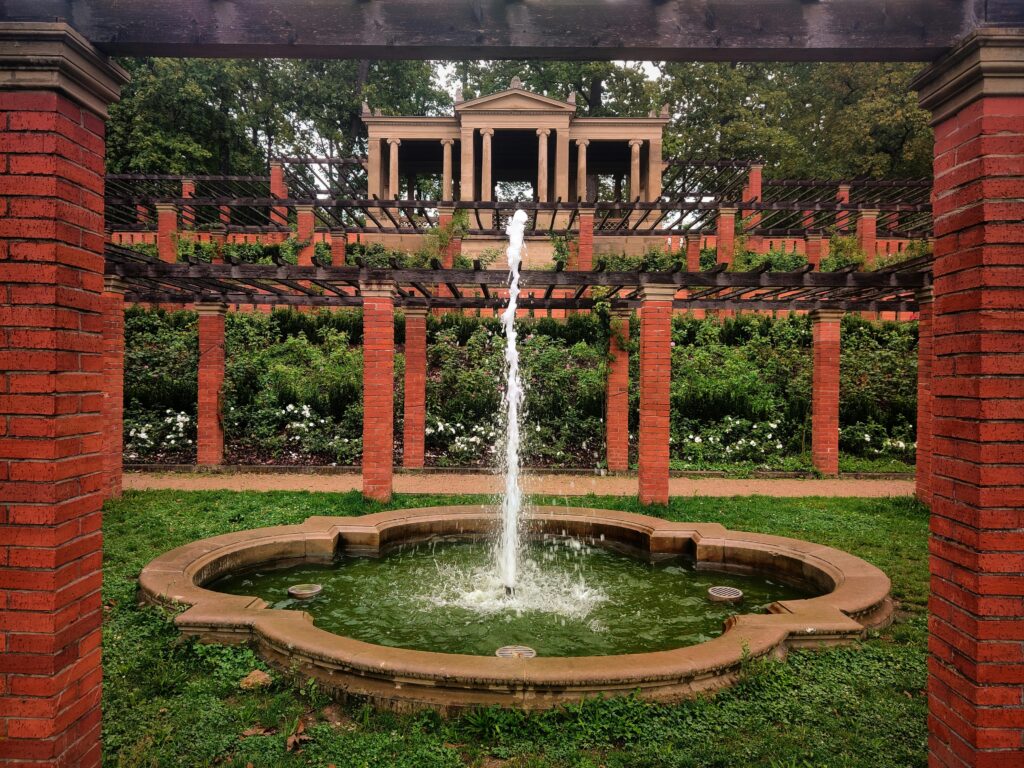
Adding a water feature to your yard is one of the best ways to enhance your home’s curb appeal. Whether it’s a small fountain, a pond, or a waterfall, water features create a peaceful and inviting atmosphere. They add movement, sound, and beauty to your landscape, making your outdoor space more enjoyable and visually appealing.
If you’re thinking about incorporating a water feature into your yard, here’s everything you need to know to get started.
Benefits of Water Features
1. Enhances Curb Appeal
A well-placed water feature instantly boosts the look of your yard. The gentle movement of water adds elegance, making your home feel more inviting and well-maintained. It’s a great way to impress guests and even increase your property value.
2. Creates a Relaxing Atmosphere
The sound of trickling water is naturally calming. A fountain or small pond can turn your backyard into a peaceful retreat where you can unwind after a long day. It’s also great for masking noise from traffic or neighbors.
3. Attracts Wildlife
Birds, butterflies, and other wildlife love water features. A birdbath or pond will encourage them to visit, adding life and movement to your garden. Watching birds splash in a fountain or dragonflies hover over a pond can make your yard feel like a little nature sanctuary.
4. Improves Air Quality
Flowing water helps to increase humidity and cool the air, making your yard feel fresher. This is especially beneficial during hot summer months when dry air can be uncomfortable.
5. Low Maintenance Options
Not all water features require a lot of upkeep. Many modern fountains and self-contained water systems are designed to recycle water, making them efficient and easy to maintain.
Types of Water Features
There are many ways to incorporate water into your landscape, from small, simple features to larger, more dramatic installations. Here are some popular options:
1. Fountains
Fountains are one of the easiest ways to add water to your landscape. They come in all shapes and sizes, from classic tiered fountains to sleek, modern designs. Many fountains are self-contained, meaning they require little setup and are easy to maintain.
- Where to Place It: Entryways, patios, or garden beds.
- Maintenance Tip: Regularly clean the pump and remove debris to keep the water flowing smoothly.
2. Ponds
A backyard pond can create a natural, serene setting. Whether it’s a small koi pond or a larger water garden, a pond adds depth and beauty to your yard.
- Where to Place It: Near trees or flower beds for a natural look.
- Maintenance Tip: Use a pond filter and add aquatic plants to keep the water clear and healthy.
3. Waterfalls
A waterfall adds movement and sound to your yard. It can be built as part of a pond or as a standalone feature with a hidden reservoir.
- Where to Place It: On a slope or near a seating area for maximum effect.
- Maintenance Tip: Keep an eye on the water level to prevent the pump from running dry.
4. Birdbaths
A birdbath is a simple, budget-friendly way to bring water into your landscape. It attracts birds and adds a charming touch to your garden.
- Where to Place It: Near trees or shrubs where birds feel safe.
- Maintenance Tip: Change the water frequently to prevent mosquito breeding.
5. Bubbling Rocks
Bubbling rocks are natural stones with a small water pump that allows water to trickle down the surface. They add a subtle, modern touch to landscapes.
- Where to Place It: In flower beds or near a walkway.
- Maintenance Tip: Check for algae buildup and clean the pump regularly.
Choosing the Right Water Feature for Your Yard
When selecting a water feature, consider the following factors:
1. Size of Your Yard
A large pond or waterfall may not fit well in a small backyard. If you have limited space, go for a compact fountain or a birdbath. Larger yards can accommodate more elaborate water features like cascading waterfalls or koi ponds.
2. Style of Your Landscape
Match your water feature to your yard’s design. A sleek, modern fountain fits well in a contemporary setting, while a natural stone waterfall complements a rustic or woodland garden.
3. Budget
Water features come in a range of prices. A simple birdbath is affordable, while a custom-built waterfall can be more expensive. Decide on a budget before choosing your feature.
4. Maintenance Level
Some water features require more care than others. If you prefer low-maintenance landscaping, choose self-contained fountains or bubbling rocks rather than large ponds.
Installation Tips
Installing a water feature can be a DIY project, but for larger features like ponds or waterfalls, it’s best to hire a professional. Here are some tips:
- Choose the Right Location: Pick a spot that gets partial sunlight and is close to a power source if needed.
- Level the Ground: Make sure the surface is even before installing your feature.
- Add a Pump and Filter: These keep the water moving and help prevent algae buildup.
- Incorporate Plants and Stones: Surrounding your water feature with plants and decorative rocks makes it look more natural.
Maintaining Your Water Feature
Once your water feature is installed, regular maintenance will keep it looking great. Here’s how:
- Check the Water Level: Water can evaporate, so refill it as needed.
- Clean the Pump and Filter: Keep them free of debris to ensure smooth operation.
- Control Algae Growth: Use natural treatments or algae-resistant plants.
- Winterize Your Feature: If you live in a cold climate, remove pumps and cover your feature to protect it from freezing.
Conclusion
A water feature is a fantastic addition to any yard. It enhances curb appeal, creates a peaceful atmosphere, and attracts wildlife. Whether you opt for a simple birdbath or a dramatic waterfall, there’s a water feature to suit every yard and budget.
If you’re ready to upgrade your landscape, consider adding a water feature. Need help with installation or maintenance? Contact our team, and we’ll bring your vision to life!