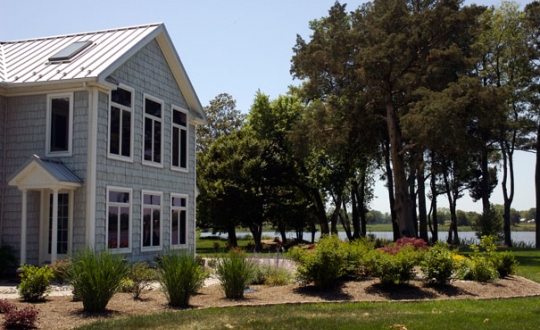
When it comes to landscaping, making sustainable choices is good for the environment and your wallet. Sustainable landscaping focuses on using practices that conserve resources, reduce waste, and create a healthy outdoor space. It’s all about working with nature, not against it. Let’s explore some simple, practical ways to make your yard more sustainable while boosting your home’s curb appeal.
1. Choose Native Plants
One of the best ways to create a sustainable landscape is by using native plants. These are plants that naturally grow in your region and are adapted to your local climate, soil, and weather conditions. Because they’re already suited for your environment, native plants need less water, fertilizer, and maintenance.
- Why Use Native Plants? Native plants are more resistant to local pests and diseases. They also help support local wildlife, like bees and butterflies, by providing food and habitat.
- How to Choose Them: Visit a local garden center or look online for a list of native plants for your area. You’ll find a variety of flowers, shrubs, and trees that can fit into any landscape design.
Adding native plants to your yard is a simple step toward a more eco-friendly landscape.
2. Practice Water-Wise Gardening
Water is a precious resource, and using it efficiently is key to sustainable landscaping. Here’s how to practice water-wise gardening:
- Install a Drip Irrigation System: Drip irrigation delivers water directly to the roots of your plants, reducing waste and keeping the soil moist. It’s a great way to water efficiently without losing moisture to evaporation.
- Water Early or Late: Watering your plants early in the morning or late in the evening minimizes water loss due to evaporation. This helps your lawn and garden absorb more water, which means you’ll use less.
- Use Mulch: Adding a layer of mulch to your garden beds helps the soil retain moisture, keeping your plants hydrated for longer. Mulch also helps prevent weeds and adds nutrients as it breaks down.
Water-wise gardening not only conserves water but also saves you money on your water bill.
3. Compost Your Yard Waste
Instead of tossing grass clippings, leaves, and other yard waste in the trash, consider composting them. Composting turns your waste into nutrient-rich fertilizer that you can use to improve your soil.
- How to Start Composting: Set up a compost bin in your yard and add organic materials like grass clippings, leaves, fruit peels, and coffee grounds. Turn the compost regularly to help it break down faster.
- Benefits of Composting: Compost adds valuable nutrients to your soil, improves its structure, and helps retain moisture. This means healthier plants and less need for chemical fertilizers.
Composting is an easy, natural way to recycle yard waste and keep your landscape healthy.
4. Reduce Lawn Size
Lawns can be beautiful, but they require a lot of water, fertilizer, and mowing. Reducing the size of your lawn and replacing some areas with sustainable landscaping features can make a big difference.
- Add Garden Beds: Replace parts of your lawn with flower or vegetable gardens. Not only do they need less water, but they also add color and texture to your yard.
- Use Ground Covers: Planting ground covers like clover or creeping thyme is a great way to fill in areas where you’d normally have grass. They require less mowing and water and still look great.
- Create Pathways: Install stone, gravel, or mulch pathways to reduce the amount of grass in your yard. These paths add structure and make your yard look more inviting.
Reducing your lawn size can make your yard easier to maintain and more sustainable.
5. Go Chemical-Free
Many traditional fertilizers and pesticides contain harsh chemicals that can harm the environment. Switching to natural alternatives is better for your yard, local wildlife, and the planet.
- Use Organic Fertilizers: Organic fertilizers, like compost or manure, feed your plants without the harsh chemicals. They’re safe for kids, pets, and beneficial insects like bees and ladybugs.
- Natural Pest Control: Instead of chemical pesticides, use natural solutions like neem oil or insecticidal soap. You can also plant pest-repelling plants like marigolds and lavender to keep bugs away.
- Encourage Beneficial Insects: Ladybugs, praying mantises, and other beneficial insects help control pest populations naturally. Planting a variety of flowers can attract these helpful bugs to your garden.
Going chemical-free creates a healthier yard and supports the local ecosystem.
6. Choose Perennials Over Annuals
Perennial plants come back year after year, unlike annuals that need to be replanted each season. Choosing perennials is a smart, sustainable option for your garden.
- Why Perennials? Perennials save you time, money, and effort since they don’t need to be replanted every year. They also have deep roots that help hold soil in place and reduce erosion.
- Examples of Perennials: Some popular perennials include lavender, coneflowers, hostas, and daylilies. These plants add lasting beauty and require less maintenance.
Using more perennials in your landscape makes it easier to maintain and reduces waste.
7. Plant Trees and Shrubs
Trees and shrubs provide shade, beauty, and many environmental benefits. Planting them is a long-term investment in your landscape.
- Shade Reduces Energy Use: Strategically placed trees can shade your home, reducing the need for air conditioning in the summer. This helps lower your energy bills and your carbon footprint.
- Improve Air and Soil Quality: Trees and shrubs absorb carbon dioxide and release oxygen. Their roots also help prevent soil erosion and improve soil structure.
- Choose Native Trees: Native trees and shrubs will thrive in your climate with less water and maintenance. Oak, maple, and dogwood are great options, but be sure to pick ones that fit your space.
Trees and shrubs are an easy way to make your yard more sustainable while adding beauty and value.
8. Incorporate Rain Gardens
A rain garden is a shallow, planted depression that collects and absorbs rainwater. It’s a great way to manage runoff and reduce the risk of flooding.
- How to Build a Rain Garden: Choose a low spot in your yard that tends to collect water. Dig a shallow basin and fill it with native plants that can handle both wet and dry conditions. Add mulch to help the soil retain moisture.
- Benefits of Rain Gardens: Rain gardens help filter rainwater and recharge groundwater. They also attract birds, butterflies, and other wildlife.
Rain gardens are not only functional but also add a unique, beautiful feature to your landscape.
9. Use Sustainable Materials
When building or renovating parts of your yard, consider using sustainable materials.
- Recycled Materials: Look for recycled pavers, bricks, or composite decking for patios and walkways. These materials reduce waste and are often more eco-friendly than new products.
- Natural Stone: Use natural stone for retaining walls or garden edging. It’s durable, long-lasting, and blends seamlessly into the landscape.
- Bamboo and Other Fast-Growing Plants: If you need to create a privacy screen or fence, bamboo is a fast-growing, sustainable option. It grows quickly and requires little maintenance.
Choosing sustainable materials helps you create a landscape that’s eco-friendly and built to last.
10. Maintain Your Sustainable Yard
Once you’ve created a sustainable landscape, maintaining it is just as important. Here are a few tips to keep things running smoothly:
- Mow Smart: Keep your grass a bit taller (around 3 inches) to help shade the soil and reduce water evaporation. Use an electric or push mower to cut down on emissions.
- Collect Rainwater: Set up a rain barrel to collect rainwater and use it to water your garden. It’s a great way to conserve water and reduce your water bill.
- Keep an Eye on Weeds: Pull weeds by hand or use natural mulch to keep them at bay. This helps your plants get the nutrients and water they need without competition.
- Monitor for Pests: Regularly check your plants for signs of pests or disease. Early detection makes it easier to use natural solutions before a problem spreads.
Maintaining your sustainable yard doesn’t have to be complicated. With a little effort, you’ll keep your landscape healthy and eco-friendly.
Conclusion
Sustainable landscaping is a win-win for you and the environment. By making simple changes like choosing native plants, conserving water, composting, and using eco-friendly materials, you can create a beautiful, low-maintenance yard that’s kind to the planet.
Not only do these practices improve your home’s curb appeal, but they also support local wildlife, save water, and reduce waste. With these sustainable landscaping tips, you’ll have a yard that looks great, helps the environment, and is easy to care for. So, why not get started today? Your yard—and the planet—will thank you.