Fall is a beautiful season, but it also means your yard needs some extra attention. As the leaves start to fall and the temperatures drop, it’s the perfect time to give your yard a thorough cleanup. Doing this will not only keep your property looking neat but also prepare it for the winter months ahead. A well-maintained yard in the fall can make all the difference when spring rolls around. So, let’s dive into the essential tasks you need to tackle for a successful fall cleanup.
Rake Those Leaves
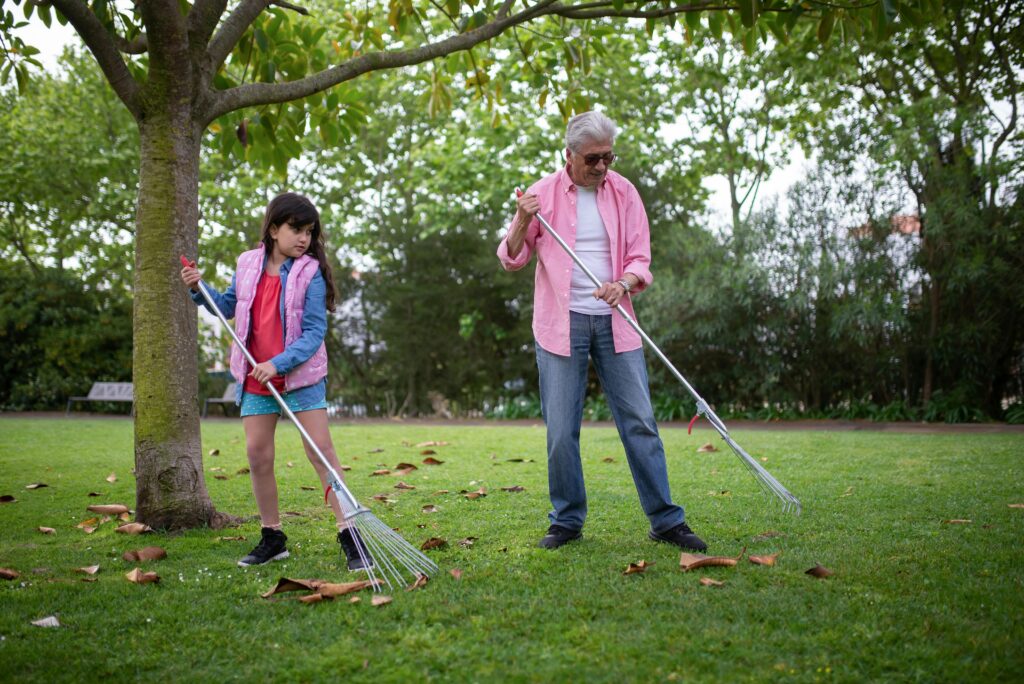
One of the most noticeable signs of fall is the leaves piling up in your yard. While it might be tempting to leave them there, it’s important to rake them up regularly. Piles of leaves can smother your grass, leading to bare spots and inviting pests. Plus, a thick layer of wet leaves can create the perfect environment for mold and fungus to grow.
Raking doesn’t have to be a chore if you stay on top of it. Make it a weekly task, and it’ll be much easier to manage. If you have a lot of leaves, consider using a leaf blower or mulching mower to make the job quicker. Mulched leaves can even be used as compost or added to your flower beds for extra nutrients.
Trim Back Overgrown Plants
Fall is the ideal time to trim back any overgrown plants, shrubs, or trees. Pruning helps to shape your plants and encourages healthy growth in the spring. It also prevents branches from breaking under the weight of snow or ice during winter. Start by removing any dead or diseased branches. Then, trim back overgrown areas to maintain the shape and size of your plants.
For trees, make sure to cut back any branches that are too close to your home or power lines. This will reduce the risk of damage during winter storms. Remember, proper pruning can make your yard look neat and well-kept all year round.
Clean Out Your Flower Beds
Your flower beds deserve some attention too. Start by pulling out any dead or dying plants. These can harbor pests and diseases that could affect your garden next year. After clearing out the old plants, give the soil a good tilling. This helps to break up compacted soil and makes it easier for water and nutrients to reach the roots of your plants.
If you have perennials in your garden, cut them back to about 2-3 inches above the ground. This helps them store energy for the winter and encourages strong growth in the spring. Adding a layer of mulch to your flower beds can also protect the roots of your plants from freezing temperatures.
Aerate Your Lawn
Aerating your lawn is an essential fall task that often gets overlooked. Over time, soil can become compacted, making it harder for water, air, and nutrients to reach the roots of your grass. Aeration involves making small holes in your lawn to relieve compaction and promote healthier grass growth.
You can rent an aerator from most garden centers or hire a professional to do the job for you. Aerating in the fall gives your lawn the best chance to recover and strengthen before winter. After aerating, consider overseeding your lawn to fill in any bare spots and create a thick, lush lawn for next spring.
Fertilize for the Future
Fertilizing your lawn and garden beds in the fall is like giving them a nutritious meal before winter. A good fall fertilizer contains a higher amount of potassium, which helps to strengthen plant roots and prepare them for the cold months ahead. This will also give your lawn a head start when spring arrives.
Apply the fertilizer evenly across your lawn and garden beds. Make sure to follow the instructions on the fertilizer package to avoid over-fertilizing, which can harm your plants. A well-fertilized lawn and garden will be healthier and more resilient when the weather warms up.
Clean and Store Outdoor Furniture
Before the snow starts to fall, take some time to clean and store your outdoor furniture. This will help extend its life and keep it looking great. Start by wiping down tables, chairs, and cushions with a mild soap and water solution. Once everything is clean and dry, store your furniture in a shed, garage, or under a protective cover.
If you have any outdoor decorations, like garden statues or bird feeders, clean and store them as well. This prevents them from getting damaged by the elements over the winter. Taking care of your outdoor furniture and decorations now will save you time and money in the long run.
Check Your Gutters and Downspouts
Clogged gutters and downspouts can cause serious problems during the fall and winter months. When leaves and debris build up, they can block the flow of water, leading to overflowing gutters and potential water damage to your home. Make sure to clean out your gutters at least once during the fall, preferably after most of the leaves have fallen.
While you’re up there, check for any signs of damage or loose sections. Repairing your gutters now can prevent bigger problems down the road. Also, make sure your downspouts are directing water away from your foundation to avoid flooding and erosion.
Protect Your Plants
Some of your plants may need a little extra protection to survive the winter. Consider wrapping delicate shrubs or young trees in burlap to shield them from harsh winds and freezing temperatures. You can also use mulch or straw to insulate the roots of your plants.
For container plants, move them to a sheltered area like a garage or porch. If you have tender plants that can’t withstand the cold, consider bringing them indoors or covering them with frost blankets on chilly nights.
Take Care of Your Tools
Your garden tools work hard all season long, so don’t forget to give them some attention before storing them away for the winter. Clean off any dirt or debris, and sharpen the blades of your pruners, shears, and lawnmower. A light coating of oil on metal parts can prevent rust from forming.
Store your tools in a dry, organized space where they won’t be exposed to the elements. Properly cared for tools will last longer and be ready to go when spring arrives.
Plan for Spring
Finally, use the fall season to plan ahead for spring. Take note of what worked well in your garden this year and what didn’t. Maybe there’s a spot in your yard that could use more color, or perhaps you want to add a new feature like a walkway or water fountain. Now is the perfect time to dream up new ideas and start planning your spring projects.
By doing a thorough fall cleanup, you’re not only maintaining your property but also setting the stage for a beautiful, healthy yard next year. These tasks might take a little time and effort, but the payoff is well worth it. So grab your rake, put on your gloves, and get ready to enjoy a yard that’s ready to shine all year round.