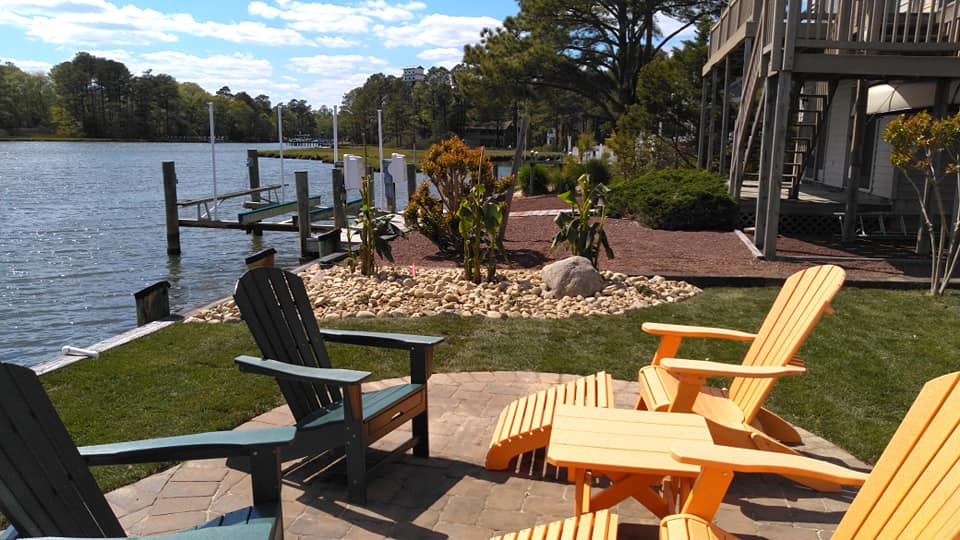
Creating a functional outdoor living space can make your home feel bigger and give you a great spot to relax and entertain. Whether you have a large backyard or a cozy patio, you can design a space that fits your lifestyle and enhances your home’s curb appeal. Let’s go through the steps to design an outdoor living area that you’ll love to use.
1. Define Your Needs
Before you start laying out your space, think about how you want to use it. Do you want a place to dine outdoors, or are you dreaming of a cozy spot for evening gatherings? Maybe you need a play area for the kids, or a peaceful nook for reading. Deciding on the primary function of your outdoor space is the first step in designing an area that suits your needs.
- Consider the Size: The size of your outdoor space will influence what you can do. A large yard can accommodate a separate dining area and lounge zone, while a smaller patio may be better suited for a simple seating arrangement.
- Think About Privacy: If privacy is a concern, consider how you can use landscaping, fences, or screens to create a more secluded area.
2. Plan Your Layout
Once you know what you need from your outdoor living space, you can start planning the layout. Think about the flow of movement and how people will interact in the space.
- Create Zones: Divide your space into functional zones. For example, place a dining table near the kitchen door for easy access to meals, and set up a seating area in a quieter part of the yard for relaxing.
- Leave Enough Space: Make sure there’s enough room to walk around comfortably. Outdoor furniture should be arranged to allow easy movement without squeezing through tight spaces.
3. Choose the Right Furniture
Selecting the right furniture is key to creating a functional outdoor living space. Look for pieces that are durable and can withstand the weather in your area.
- Go for Comfort: Outdoor furniture should be comfortable as well as stylish. Choose sofas and chairs with cushions made from outdoor fabrics, and add plenty of throw pillows for extra comfort.
- Think About Maintenance: Choose furniture that’s easy to maintain. Metal, teak, cedar, and all-weather wicker are great choices because they’re durable and easy to clean.
4. Add a Covering
A covering can protect you from the sun and rain, making your outdoor space more usable throughout the year.
- Consider a Pergola: A pergola can provide shade while still letting some light through. It can also support climbing plants like vines, adding natural beauty to your space.
- Install an Awning: A retractable awning is another great option. It extends to provide shade and folds back when you want to enjoy the sun.
5. Light It Up
Good lighting can transform your outdoor space and make it usable well into the evening.
- String Lights: String lights create a warm, inviting glow. Hang them above your seating area for a magical feel.
- Solar Lights: Solar path lights are a sustainable choice that can light up walkways and highlight landscaping features.
- Accent Lighting: Use spotlights or LED candles to add drama to trees or architectural features, or to enhance safety along stairs and pathways.
6. Add Warmth with a Fire Feature
A fire pit or fireplace can be a focal point for your outdoor living space and a cozy place to gather on cooler evenings.
- Choose a Safe Location: Make sure any fire feature is placed on a stable, fireproof surface and away from any structures or overhanging trees.
- Consider Portability: Portable fire pits are a flexible option that can be moved as needed and stored away when not in use.
7. Consider the Flooring
The right flooring can define and enhance the comfort of your outdoor living area.
- Decking: Wood or composite decking can be a warm, attractive foundation for lounge areas and dining sets.
- Pavers: Stone or concrete pavers are durable and available in many styles, making them suitable for a variety of design preferences.
- Outdoor Rugs: Add color and comfort underfoot with outdoor rugs. They can help tie the space together and are available in a range of sizes and patterns.
8. Incorporate Plants and Decor
Plants and decorative elements add color, texture, and personality to your outdoor living space.
- Use Planters: Add potted plants around your seating area to create a lush, garden-like feel. Choose plants that will thrive in your local climate.
- Incorporate Art: Outdoor art pieces, like sculptures or wind chimes, can provide a unique touch and serve as conversation starters.
- Accessorize: Cushions, throws, and outdoor curtains can add color and comfort to your space. Choose durable, weather-resistant materials to ensure they last.
9. Plan for All Seasons
To get the most out of your outdoor living space, think about how you can use it throughout the year.
- Heating Options: Portable heaters or built-in heat lamps can extend the usability of your space into the cooler months.
- Flexible Seating: Choose lightweight chairs and tables that can be easily moved and stored when not in use.
Conclusion
Designing a functional outdoor living space takes planning, but the result is a beautiful extension of your home that you can enjoy for years to come. By considering your needs, choosing the right furnishings, and adding personal touches, you can create an outdoor area that’s perfect for relaxation and entertainment. Get started today and transform your backyard into your favorite part of your home!